
Preamble
Vision 2030 aims to promote quality education for the citizens of Bangladesh, striving for equitable access to relevant and high-quality education and training that enhances efficiency and effectiveness at all levels for all Bangladeshis. The Sustainable Development Goal (SDG 4) advocates for quality education for every citizen. Increased investment in quality education is essential for alleviating poverty and addressing gender inequality. Girls are particularly disadvantaged by the lack of access to higher education due to these inequalities.
In response, the education policy of Uttara University, established in 2022, is designed to empower female Indigenous students with the qualities and skills they need to engage equally and harmoniously with both local and global communities. Focusing solely on the education of boys while neglecting approximately 50% of the population is not a viable pathway to achieving sustainable development in quality education and gender equality by 2030.
To address this issue, Uttara University has introduced a scholarship scheme to promote quality education and reduce gender disparities for female Indigenous students in Bangladesh. This initiative, known as the "M Azizur Rahman Inclusive Scholarship Scheme," ensures access to higher education for female Indigenous students, including those with disabilities, as well as female students from various Indigenous groups such as Chakma, Garo, Manipuri, Munda, Oraon, Santal, Khasi, Kuki, Tripura, Mro, and Hajong communities. Notably, Uttara University is the only private university in Bangladesh offering this unique opportunity explicitly for female Indigenous students.
There are a few purposes for this scholarship
- To access Female Indigenous students in higher education.
- To ensure quality education for female Indigenous students.
- Reducing gender inequalities and achieving full equality by 2030 by following SDGs.
- Reduce the financial burden of tuition and fees.
- To make them understand they are not segregated from the broader student population.
- Enhance professional resumes by including renowned scholarships.
- Enhance access to advanced academic opportunities.
- Facilitate networking opportunities among scholars and professionals.
- Promote increased diversity and inclusion in academic institutions.
Eligibility Criteria
- Only for female Indigenous students, female students with disabilities and female Chakma students, Garo, Manipuri, Munda, Oraon, Santal, Khasi, Kuki, Tripura, Mro, and female Hajong Students.
- Prioritize candidates with the highest SSC and HSC GPAs.
- A study gap of up to five years is acceptable.
- Socioeconomically disadvantaged groups of female Indigenous students.
Applicants must identify as members of a female Indigenous group and meet specific academic or personal criteria. These may include:
- Academic performance: This scholarship sets a standard of excellence through a maximum GPA, inspiring recipients to commit to their educational journey.
- Community involvement: Participation in community service, leadership roles, or extracurricular activities within their Indigenous group reflects a commitment to giving back and showcases leadership potential.
- Personal statements: Applicants may be required to submit essays or personal statements in which they articulate their experiences, the challenges they have overcome, and their future aspirations.
- Letters of recommendation: Supportive recommendations from educators, mentors, or respected community figures can significantly enhance an application by showcasing the applicant's character and accomplishments.
By meeting these criteria, students show their qualifications and dedication, enhancing their chances of obtaining crucial financial support through Indigenous scholarships.
Gather necessary documents
- Transcripts: Obtain official copies of your high school or college transcripts. These documents should reflect your academic performance.
- Letters of recommendation: Request your teachers or mentors to write letters on your behalf, highlighting your character, achievements, and potential. Be sure to give them ample time and provide any necessary information to assist them in crafting a solid recommendation.
- Proof of Indigenous status: This scholarship may require documentation to prove your eligibility as a member of an Indigenous group. Acceptable documents could include birth certificates, community membership letters, or other official papers.
- Resume: Craft a comprehensive resume emphasising your academic accomplishments, extracurricular involvement, leadership positions, and any pertinent work or volunteer experience.
Write a compelling personal statement or essay
Highlight your achievements : Reflect on your academic and extracurricular accomplishments, highlighting how they align with the goals of the scholarship.
Share challenges overcome : Reflect on your personal or academic difficulties and how you overcame them. This illustrates your resilience and determination.
Outline your goals : Clearly express your academic and career goals for the future and describe how the scholarship will assist you in achieving them.
Submit your application before the deadline
Complete all required forms : Ensure all application forms are completed accurately and thoroughly.
Double-check your materials : Review all your documents to ensure everything is included and error-free. Missing or incorrect information could disqualify your application.
Application schedule:
For Spring: January- June
| Application period (On-Line) | September 21, 10:00 A.M. – October 21, 11:59 P.M. |
| Application Materials Submission Deadline | November 3, 11:59 P.M. |
| Notice of Result | November 28, 10:00 A.M. |
| Matriculation Deadline for Admitted Students | December 18 |
| Class Begin | January 1st |
For Fall: July - December
| Application period (On-Line) | March 21, 10:00 A.M. – April 21, 11:59 P.M. |
| Application Materials Submission Deadline | April 3, 11:59 P.M. |
| Notice of Result | April 28, 10:00 A.M. |
| Matriculation Deadline for Admitted Students | May 18 |
| Class Begin | July 1st |
The M Azizur Rahman Inclusive Scholarship Scheme is an innovative initiative to empower female Indigenous students by supplying them with the necessary resources and opportunities to academically and professionally thrive. By promoting inclusivity, ensuring access to quality education, supporting gender equality, and alleviating financial barriers, this scholarship seeks to make higher education more attainable for female students from Indigenous backgrounds, contributing to a more equitable society in alignment with the United Nations Sustainable Development Goals (SDGs 17).
For more details and to apply, please contact the Admissions Office for assistance.
Female Indigenous Student of M Azizur Rahman Inclusive Scholarship Scheme
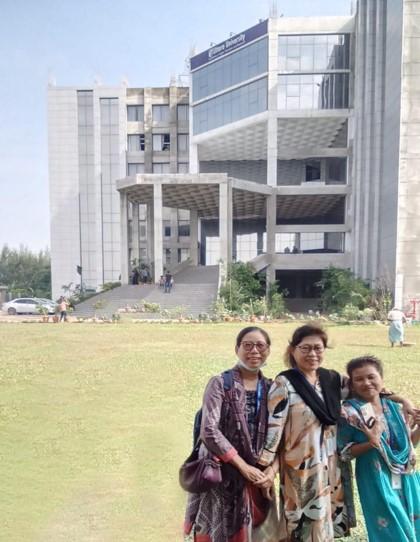
Ratna Chakma, Biva Chakma, Supriya Chakma
Dept. of EEE, Textile Engineering, BBA
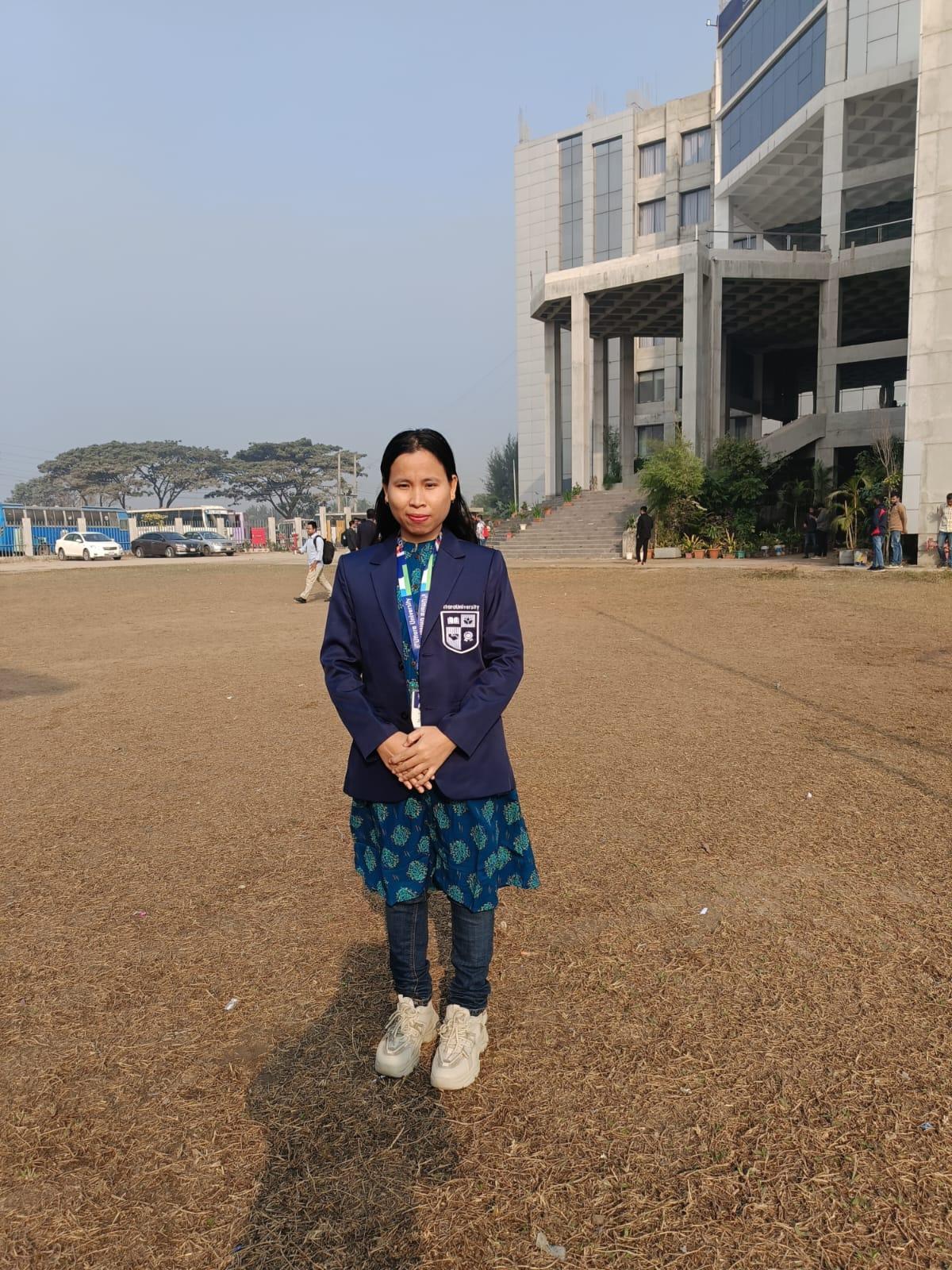
Kamala Marma
Dept. of Physical Education
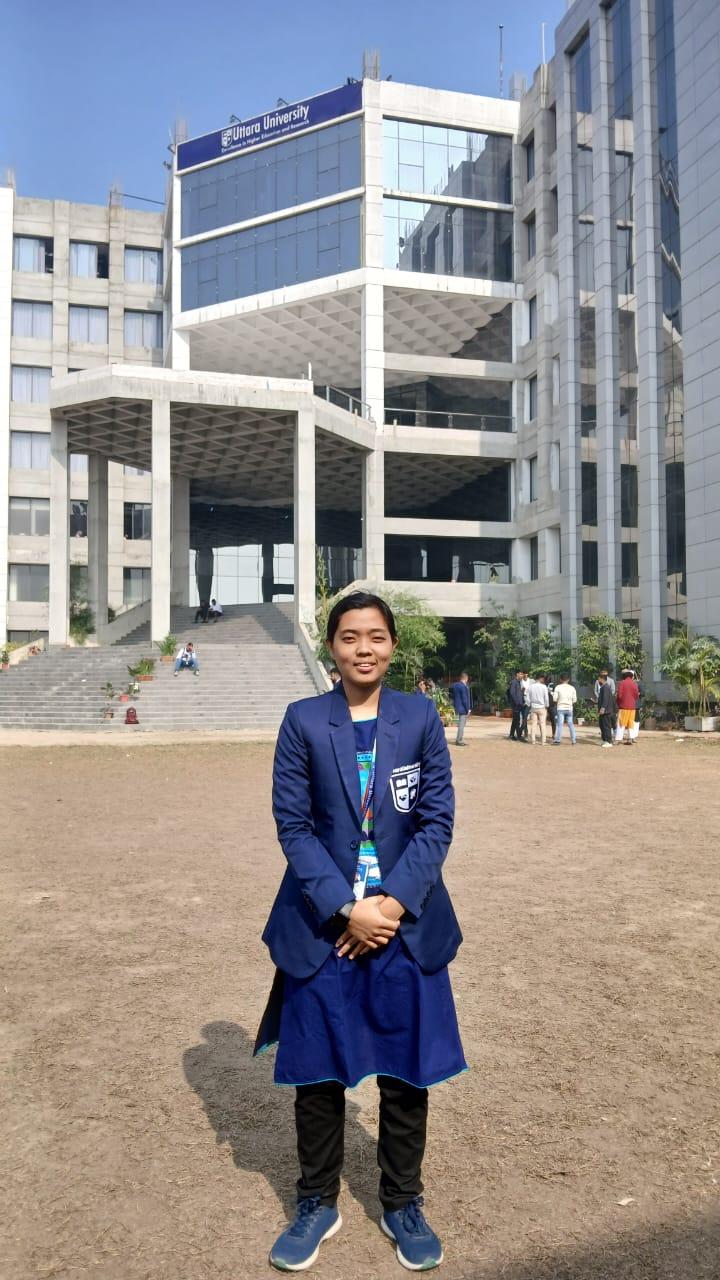
Sathira Chakma
Department of Physical Education